

Capabilities
One team for the whole job: the engineering office that designs your scheme and gets it approved, and the accredited crews who set it up and run it on the road. Here's what we do.

Event Traffic Management
Festivals, races, New Year's Eve and big public events. We plan them in the office and run them on the road, from the first sign to the final pack-down.
- Event TMPs & TGS
- Road Occupancy Licences
- VMS & wayfinding
- Police / council / TfNSW liaison

Traffic Guidance Schemes
To-scale schemes, drawn for your site, that show where every sign, taper and controller goes. Known as TCPs until recently, and drawn to standard so they pass approval.
- AS 1742.3 / TCAWS compliant
- Prepared by PWZ-accredited designers
- Rapid turnaround

Traffic Management Plans
TMPs and Construction TMPs written to meet your development consent and get through assessment without rounds of back-and-forth.
- TMP & CTMP
- DA-condition compliance
- REF traffic & transport input
Council Permits & Approvals
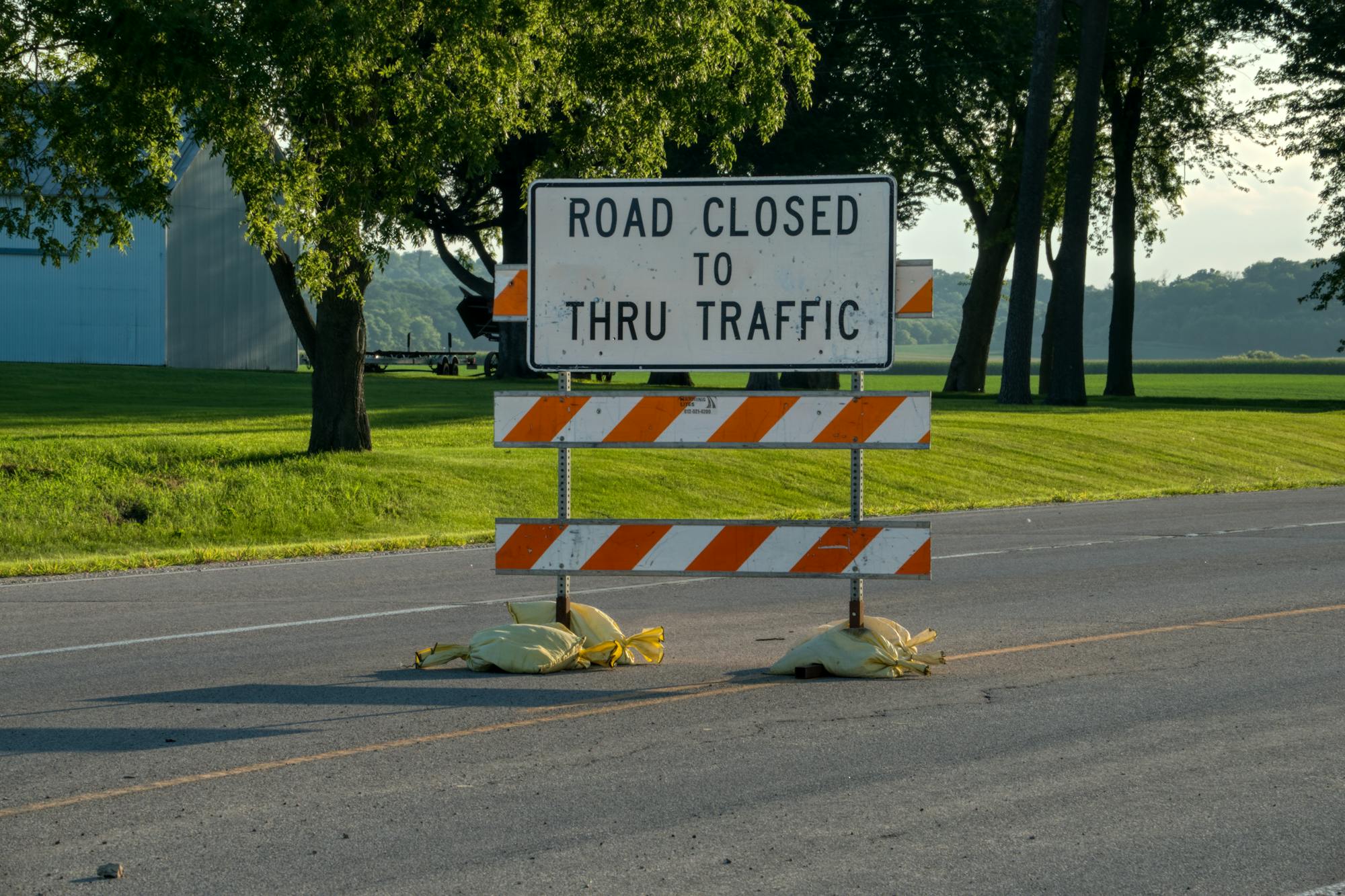
We get the road occupancy licences and council approvals your project needs, and deal with each agency so your works or event are cleared to go ahead.
- Road Occupancy Licences (TfNSW)
- Local Traffic Committee endorsement
- Roads Act road closures
- Multi-agency liaison

Construction Traffic Management
Work-zone traffic, lane and road closures, and pedestrian management for civil and building works. We write the Construction Traffic Management Plan your consent requires, then put crews on site to run it.
- Work-zone traffic to TCAWS
- Lane & road closures
- Pedestrian management & hoarding
- Site access & deliveries

Swept Path Analysis
AutoTURN and Vehicle Tracking checks against AS 2890 and Austroads design vehicles, for everything from B-doubles to refuse trucks.
- Access, loading & docks
- Intersection & roundabout checks
- Design-vehicle compliance
Accredited Traffic Control
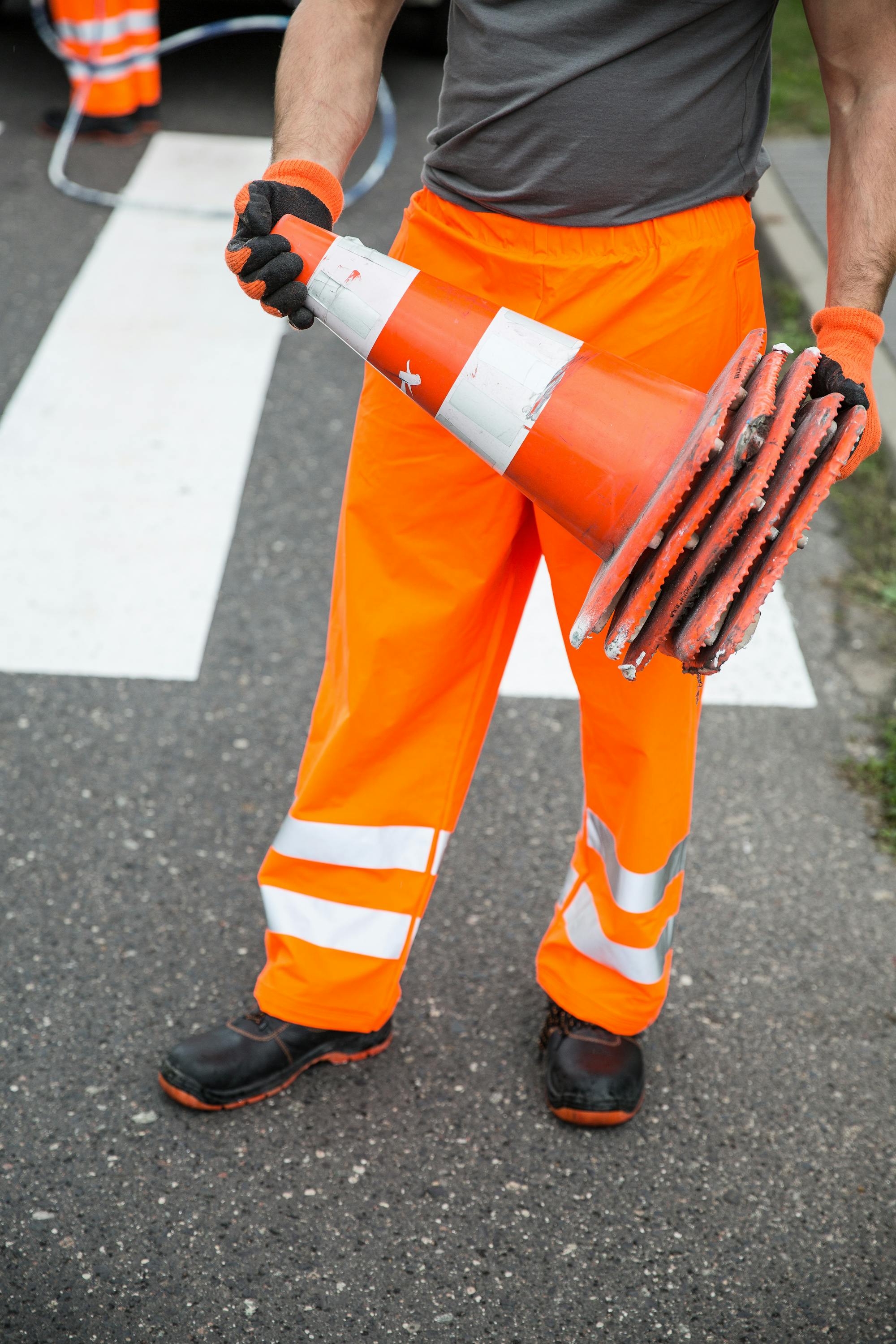
TfNSW-accredited controllers and implementers who bring their own equipment, for day, night and after-dark works.
- TCR & implementer-carded crews
- Truck-mounted attenuators
- VMS, barriers & signage
Pedestrian & Crowd Management
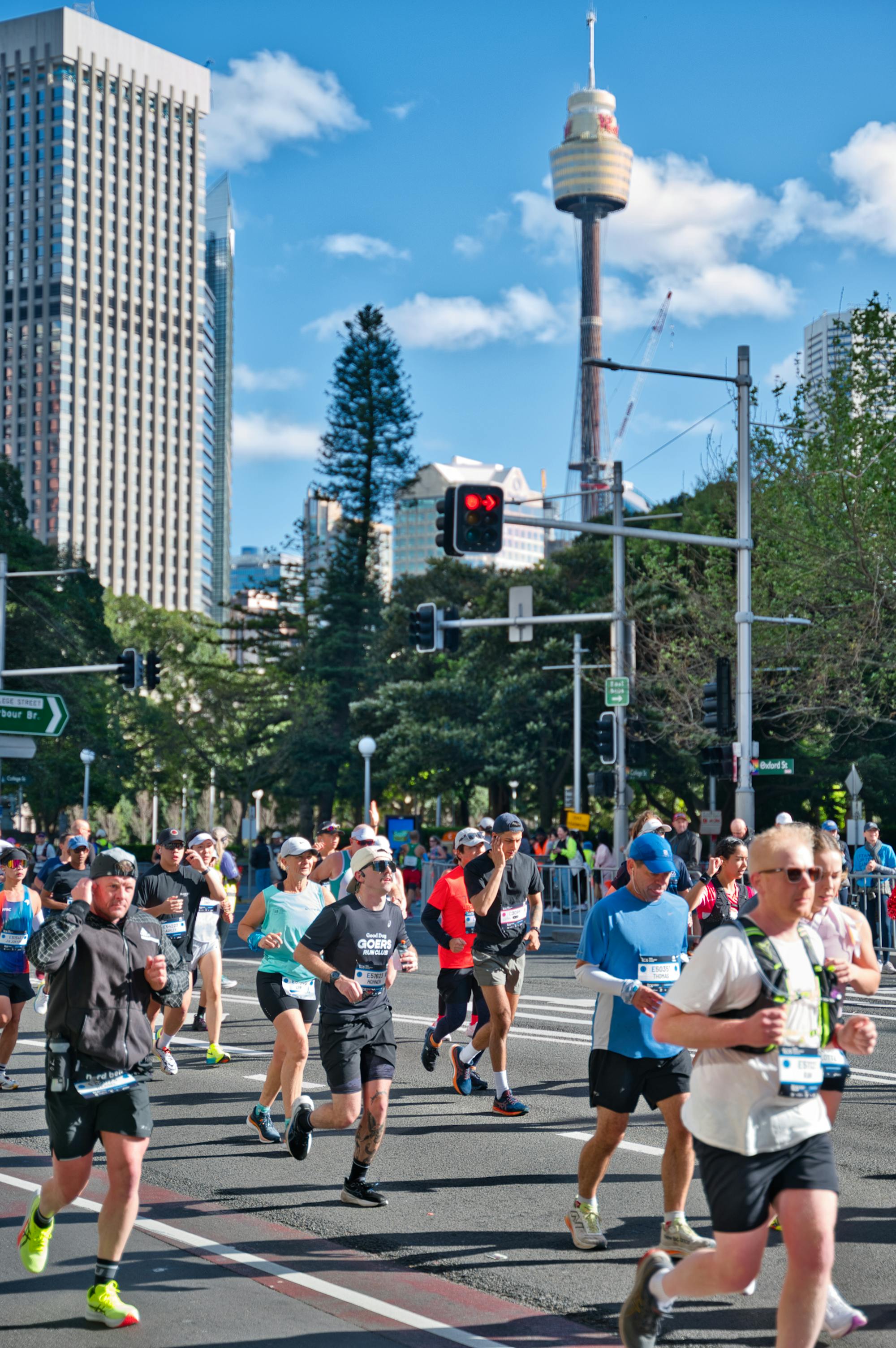
Safe pedestrian movement and crowd flow for busy worksites and events, with accessibility built in.
- Temporary walkways & diversions
- Crowd flow & barriers
- Accessibility compliance
FAQ
Frequently asked.
What is a Traffic Guidance Scheme (TGS)?
A TGS is a site-specific, to-scale diagram that shows exactly where every advance-warning sign, cone, barrier, taper and traffic controller goes around a work zone or event. In NSW it replaced the older term Traffic Control Plan (TCP), and a compliant TGS is drawn to the TfNSW TCAWS manual and AS 1742.3.
What's the difference between a TGS, a TMP and a CTMP?
A TMP is the high-level document that explains why and how a project affects the road network and sets the controls; a TGS is the diagram showing where each device and controller is placed and usually sits inside the TMP; a CTMP is a TMP written for a construction site and is commonly a condition of a Development Approval. The TMP says why and how, the TGS shows exactly where, and a CTMP is the construction version of a TMP.
Do I need a Traffic Management Plan for my project or event?
You generally need a TMP or CTMP whenever works or an event will affect how traffic, pedestrians or cyclists move on a public road — for example lane or road closures, footpath closures, or construction traffic entering a busy street. For construction a CTMP is frequently a condition of development consent; for events a TMP is required if you're closing or significantly affecting public roads. If unsure, a quick site review will confirm which document your job needs.
What is a Road Occupancy Licence (ROL) and when do I need one?
A Road Occupancy Licence is formal Transport for NSW approval to occupy or affect the state (classified) road network. You generally need one to work on a state road, within 100 m of traffic signals, or wherever works affect traffic flow, queues or safety on a state road. Council-controlled local roads are approved by the council instead, and the ROL application must match your TGS.
How long does approval take?
Transport for NSW advises Road Occupancy Licence applications are processed within about 10 business days of submission. Council approval of a TGS typically runs around 10-14 business days and can extend to about 28 days or more if state-managed roads or TfNSW are involved. Complex or non-compliant submissions take longer, so a correct site-specific plan the first time is the fastest path. These are current authority guidelines, not guarantees.
Who is legally allowed to prepare a TGS or TMP in NSW?
Only a person holding the SafeWork NSW Prepare a Work Zone Traffic Management Plan (PWZTMP) accreditation can legally design or modify a TGS or TMP, and a compliant TGS carries the accredited designer's name and TfNSW certification details. On the road, Traffic Controller (TCR) card-holders direct traffic and Traffic Plan Implementer (IMP) card-holders set up and pack down the scheme — different cards for different jobs.
Accredited & insured